
Sleep Better Tonight
Discover how the right foods can naturally transform your sleep patterns. Emotionalfoodflow guides you through science-backed nutrition that helps you rest deeper, wake refreshed, and reclaim your energy.
Why Sleep Quality Matters: The Food Connection
Quality sleep isn't a luxury—it's a foundation for physical health, emotional balance, and mental clarity. Yet millions struggle with restless nights, waking exhausted, and struggling through the day. The secret many don't realise is that what we eat profoundly shapes how we sleep.
Certain foods contain natural compounds—amino acids, vitamins, minerals, and antioxidants—that calm your nervous system, regulate your sleep-wake cycle, and promote deeper rest. By understanding these food-sleep connections, you can make simple, delicious dietary choices that support better sleep without relying on artificial solutions.
Emotionalfoodflow exists to bridge that gap. We share evidence-based knowledge about foods that genuinely support sleep, helping you understand not just what to eat, but why it works. This is nutrition education for real people seeking real rest.
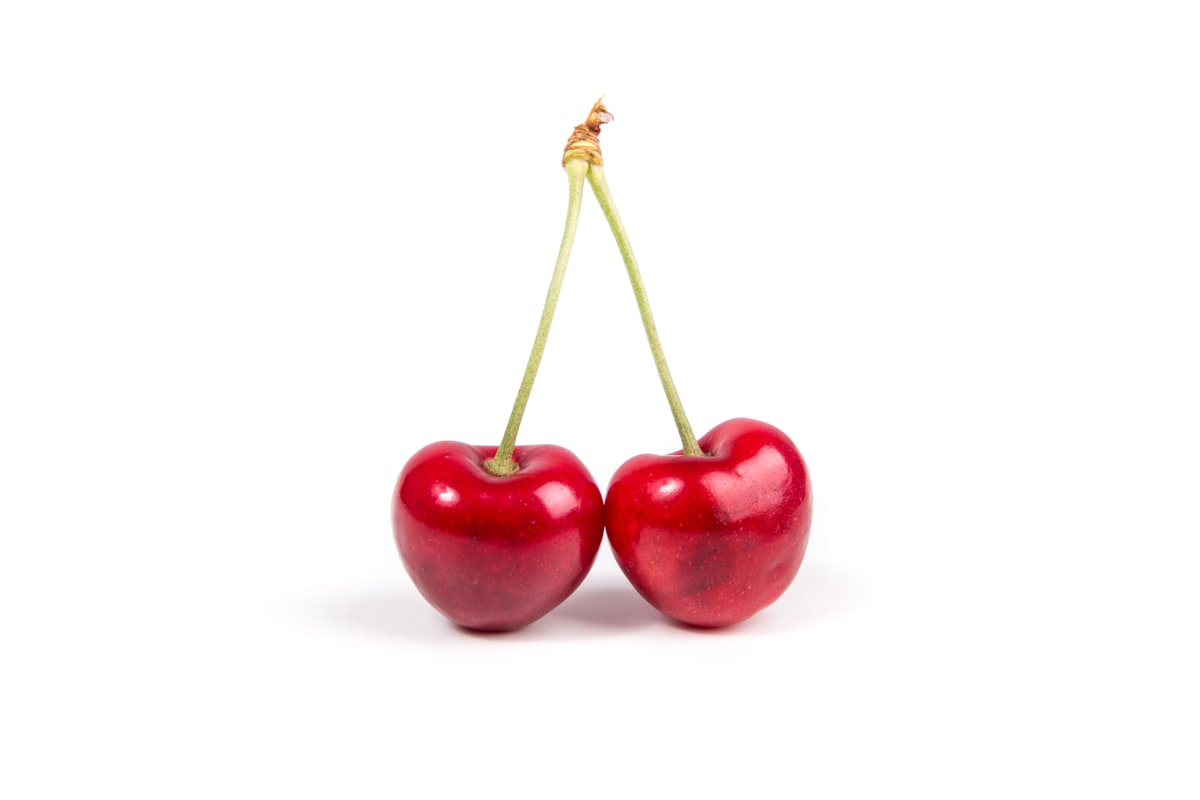
Top 9 Sleep-Boosting Foods at a Glance
Simple, whole foods proven to support restful sleep
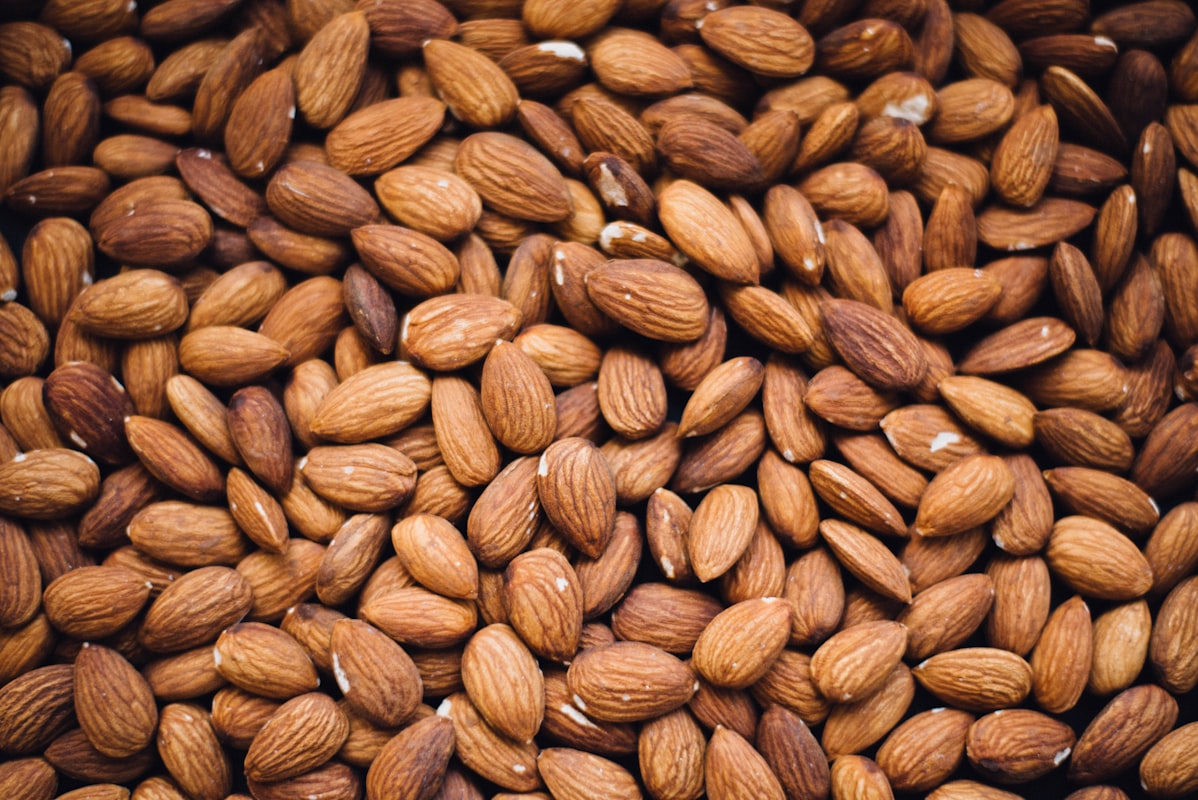
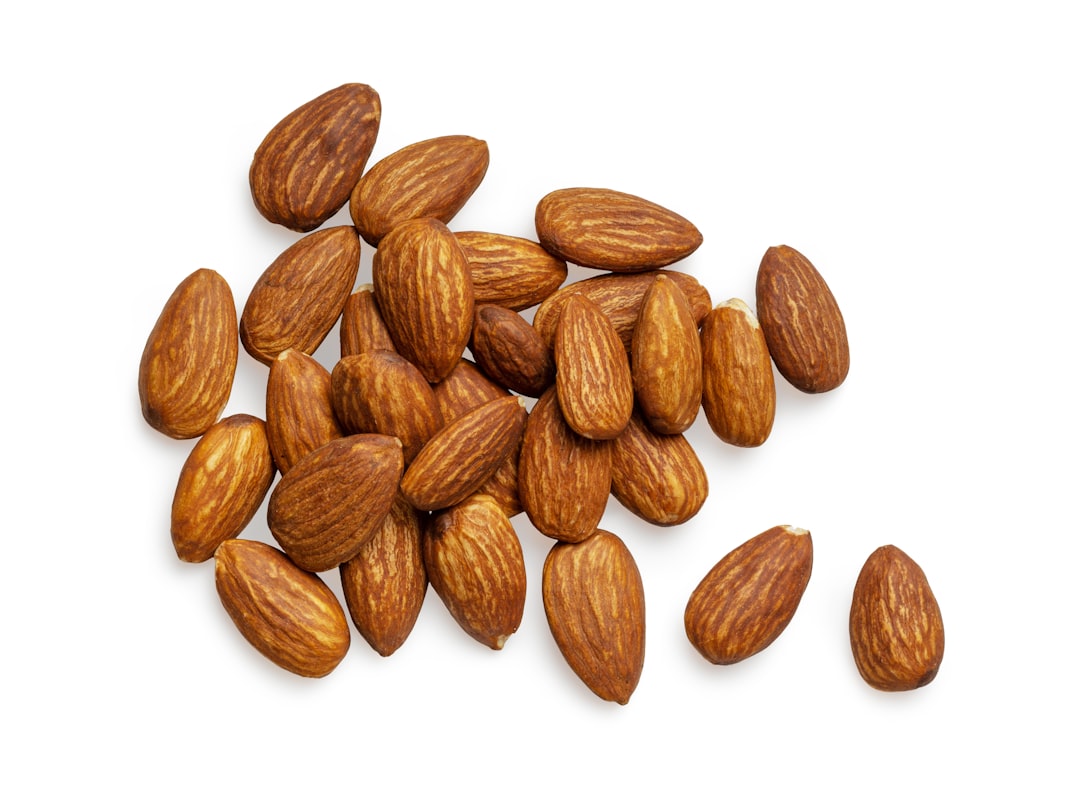
Almonds
Rich in magnesium and tryptophan, almonds help relax muscles and produce melatonin naturally.
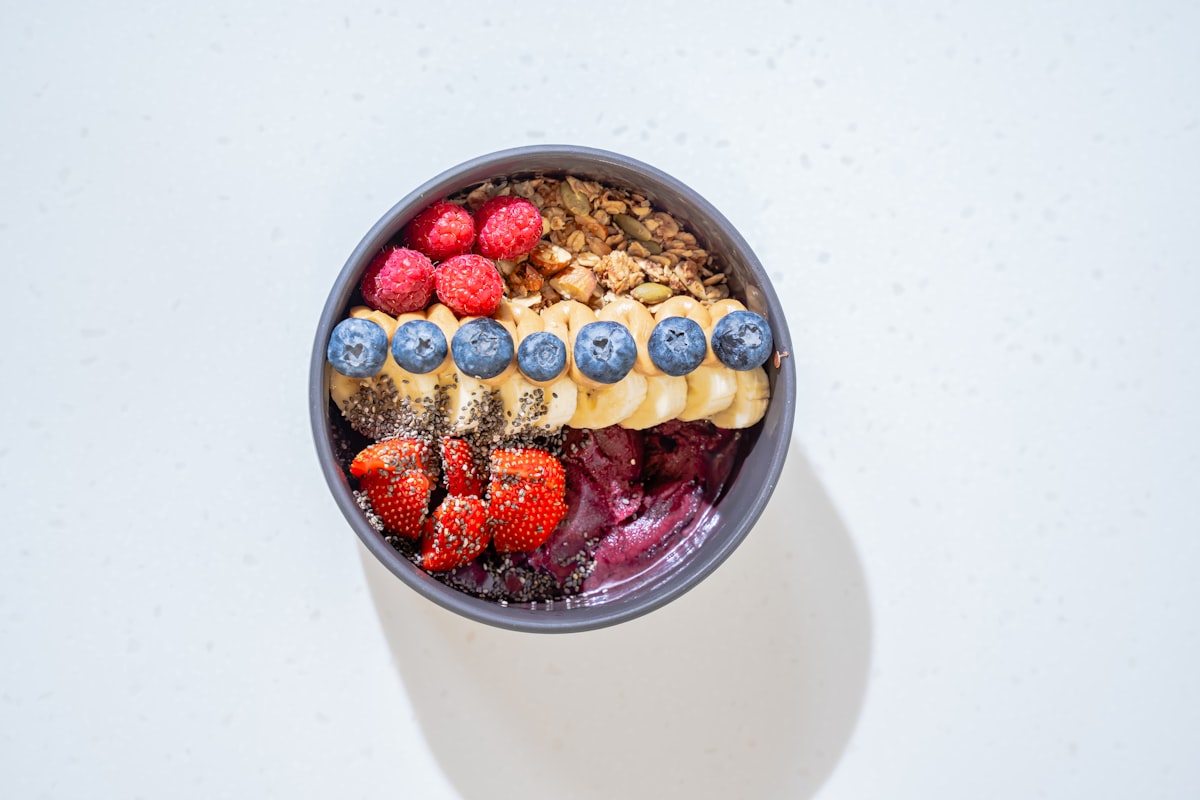
Kiwifruit
Low-calorie and packed with antioxidants, kiwis have been studied for their ability to improve sleep onset and duration.
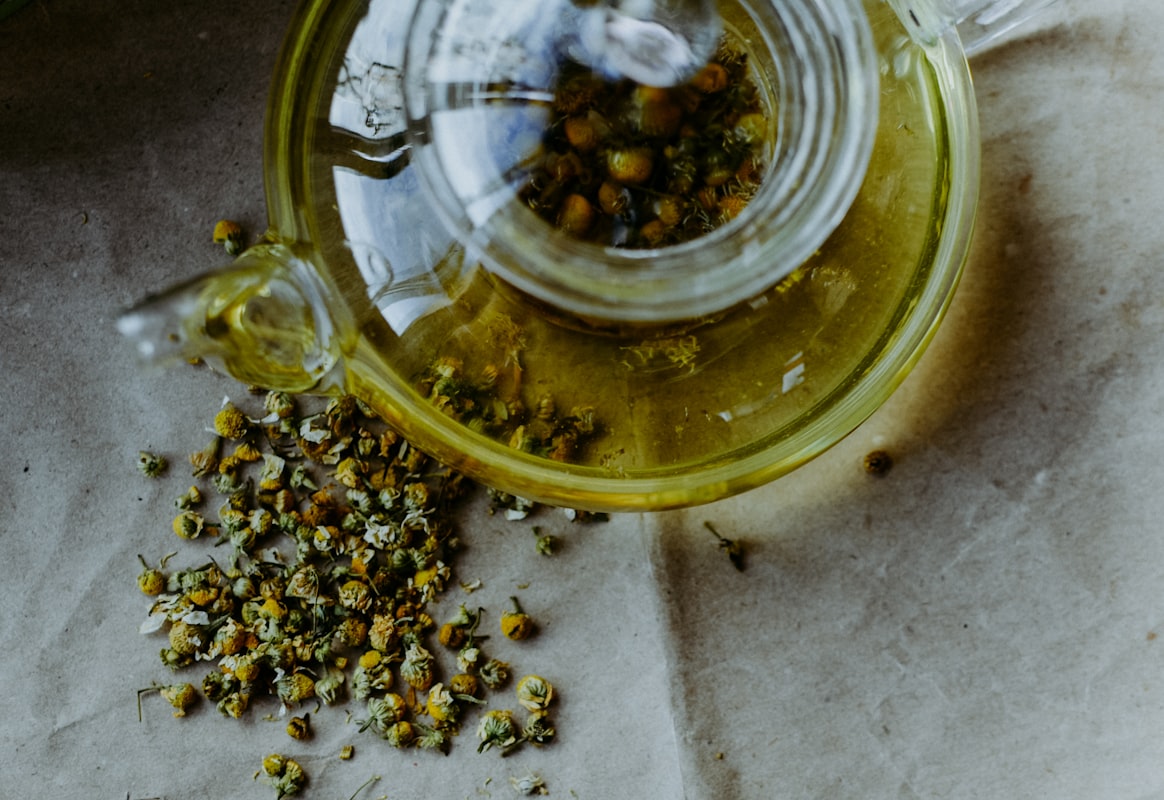
Chamomile Tea
A traditional herbal infusion containing compounds that gently calm the nervous system before bedtime.
Salmon
Omega-3 fatty acids in salmon support brain health and have been linked to more stable sleep patterns.

Whole Grains
Oats, barley, and brown rice increase serotonin production, which aids relaxation and better sleep.
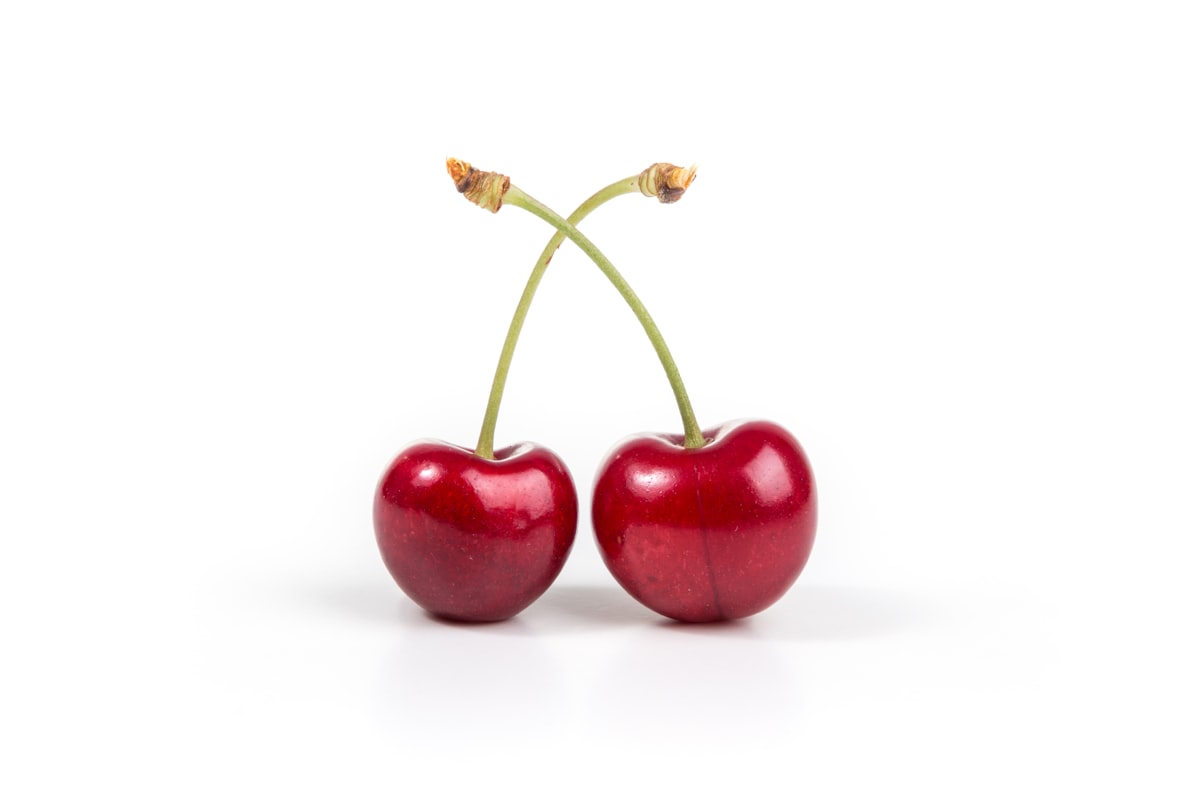
Tart Cherries
One of nature's few food sources of melatonin, cherries naturally signal your body that it's time to sleep.
Bananas
Contain magnesium and potassium which relax muscles, plus vitamin B6 needed to produce melatonin.

Raw Honey
Natural glucose promotes tryptophan entry to the brain, encouraging the production of sleep-inducing serotonin.
Spinach
Packed with folate and magnesium, leafy greens support nervous system function and muscle relaxation.
Understanding Sleep Science
How nutrients work inside your body to improve sleep quality
Melatonin & Your Sleep-Wake Cycle
Melatonin is a hormone your brain produces when light fades. Certain foods contain melatonin naturally, while others contain compounds that help your body produce it, keeping your circadian rhythm in sync and supporting consistent, restorative sleep.
Serotonin: The Calm-Inducing Neurotransmitter
Serotonin regulates mood and relaxation. The amino acid tryptophan is a precursor to serotonin, and when combined with carbohydrates, it crosses the blood-brain barrier more effectively, promoting a sense of calm before sleep.
GABA: Your Nervous System's Brake Pedal
GABA (gamma-aminobutyric acid) is an inhibitory neurotransmitter that quiets nervous activity. Foods rich in magnesium support GABA production, creating the neurological calm needed for falling and staying asleep.
Magnesium: Muscle Relaxation & Calm
Magnesium activates the parasympathetic nervous system, promoting relaxation. It also reduces muscle tension and anxiety, making it one of the most important minerals for sleep quality.
L-Tryptophan: Sleep's Amino Acid
An essential amino acid found in poultry, seeds, and nuts. Your body uses tryptophan to create serotonin and melatonin, making it fundamentally important for sleep initiation and maintenance.
Antioxidants: Protecting Sleep Health
Polyphenols and other antioxidants from fruits and vegetables reduce inflammation and oxidative stress, which can interfere with sleep quality and recovery. They support overall nervous system health.
Sleep Superfoods: Detailed Guide
In-depth look at how to use these foods for maximum sleep benefit
Almonds & Magnesium
A single ounce of almonds (about 23 nuts) contains roughly 77mg of magnesium, approximately 19% of the recommended daily value. Magnesium plays a crucial role in activating the parasympathetic nervous system—the "rest and digest" mode essential for sleep.
Almonds also contain tryptophan and zinc, both of which contribute to melatonin production. The combination makes almonds a near-perfect pre-sleep snack. Enjoy a small handful 30-60 minutes before bed, or blend them into a warm milk drink.
Tip: Raw almonds retain more nutrients than roasted varieties. Store them in an airtight container away from heat and light to preserve their nutrient profile.
Kiwifruit: The Sleep Accelerator
Research has shown that eating two kiwifruit one hour before bed can significantly improve sleep onset time and increase total sleep duration. The mechanism isn't entirely clear, but kiwis are rich in serotonin and antioxidants like polyphenols that calm inflammation.
One medium kiwifruit contains just 42 calories and 2.6 grams of fiber, making it an ideal bedtime snack that won't overburden your digestive system. The natural sweetness also provides a gentle glucose boost that aids tryptophan absorption.
Tip: Eat the skin too—it contains the highest concentration of antioxidants and fiber. If you find it bitter, choose fully ripe kiwis or peel them thinly.
Salmon: Brain Health & Sleep Stability
Wild salmon contains 2-3 grams of omega-3 fatty acids (EPA and DHA) per 100g serving. These omega-3s support brain health and have been linked to improved sleep quality and fewer night-time awakenings. They also help regulate serotonin production.
Additionally, salmon is an excellent source of vitamin B6 and niacin, both essential for melatonin synthesis. Eating salmon 2-3 times weekly can create a cumulative positive effect on sleep consistency.
Tip: Eat salmon earlier in the day (lunch or early dinner) rather than right before bed—its high protein content requires longer digestion. Give 3-4 hours between meal and sleep.
Tart Cherries: Nature's Sleep Hormone
Tart cherry juice contains naturally occurring melatonin—up to 0.17 micrograms per millilitre. While this might seem small, regular consumption has been shown in studies to increase sleep duration by an average of 40 minutes and improve sleep quality significantly.
Fresh tart cherries are also rich in anthocyanins, powerful antioxidants that reduce inflammation and oxidative stress—both known sleep disruptors. A small glass of unsweetened tart cherry juice 30 minutes before bed is a common recommendation.
Tip: Choose unsweetened, 100% tart cherry juice to avoid excess sugar. Alternatively, consume fresh or frozen tart cherries when in season. Avoid products with added sugars, which can interrupt sleep.
Whole Grains: The Carb-Tryptophan Synergy
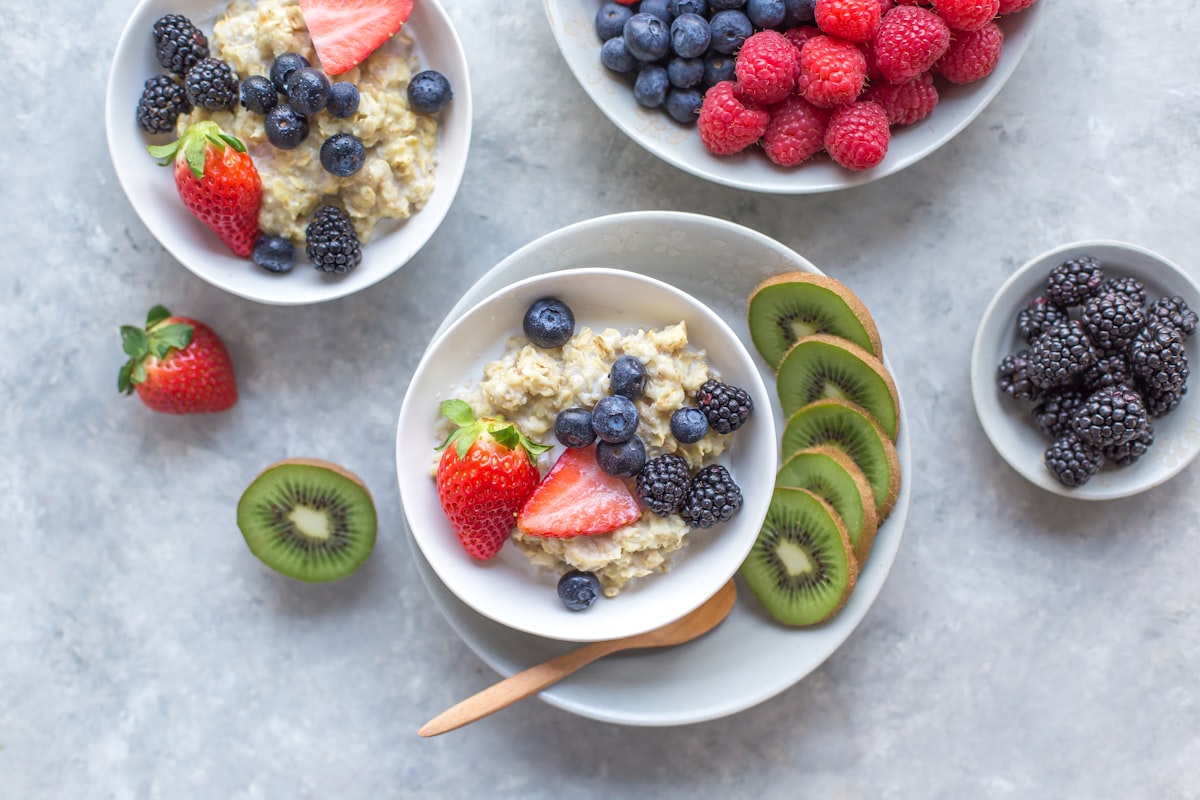
Whole grains like oats, barley, and quinoa contain complex carbohydrates that increase insulin levels, which helps amino acids cross the blood-brain barrier and allows tryptophan to be converted into serotonin more efficiently.
One cup of cooked oats provides roughly 150 calories, 5g protein, and significant B vitamins, including folate and niacin—all vital for sleep regulation. A warm bowl of oatmeal 2-3 hours before bed is an excellent sleep-supporting dinner.
Tip: Pair whole grains with a protein source (nuts, seeds, or dairy) and a small amount of honey to maximise the tryptophan-serotonin pathway. Avoid refined grains, which lack the sustained energy needed for stable sleep.
Honey: The Natural Sleep Promoter
A teaspoon of honey (about 5g) contains glucose and fructose, which trigger a small insulin response. This response allows tryptophan to enter the brain more readily, where it's converted to serotonin and melatonin—nature's sleep inducers.
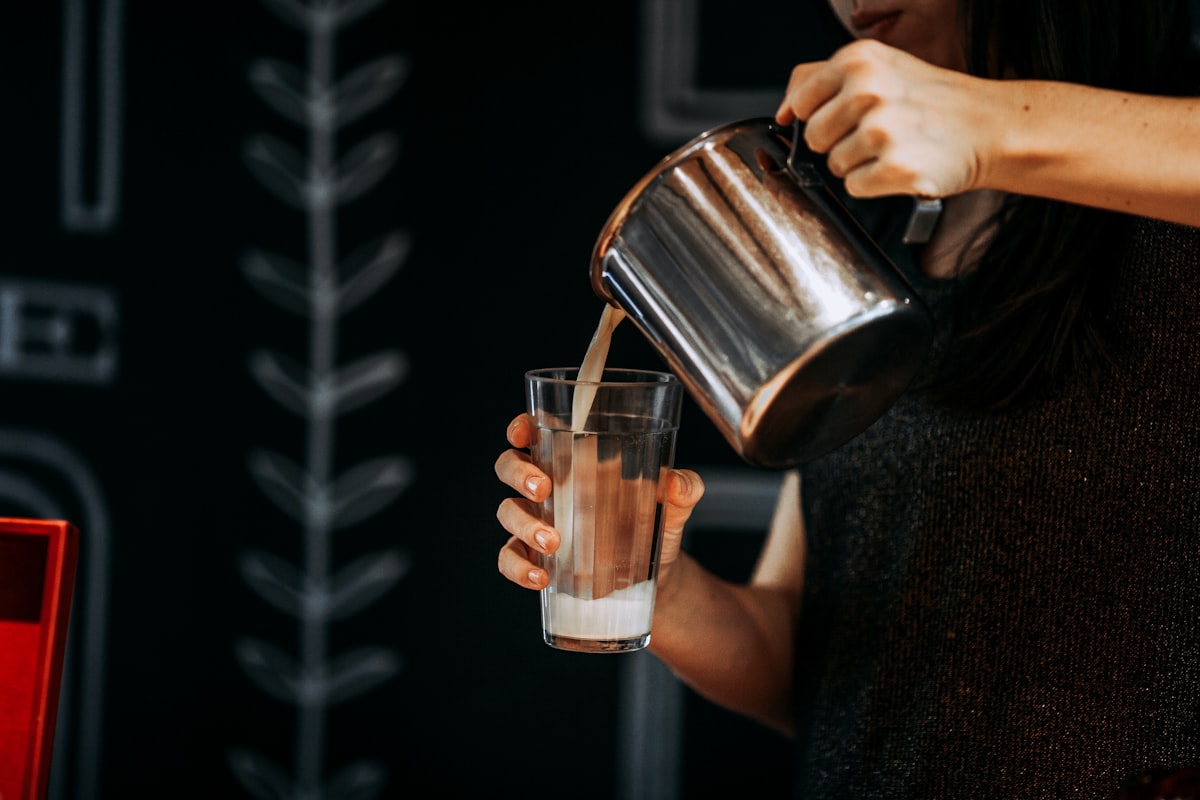
Raw, unpasteurised honey may offer additional benefits through its trace minerals and enzymes. Some traditional sleep remedies combine warm milk with a teaspoon of honey—this combination pairs the calming properties of milk's tryptophan with honey's glucose boost.
Tip: Consume honey 1-2 hours before bed. A spoonful mixed into warm herbal tea or milk is ideal. Avoid large amounts, as excess sugar can cause restlessness instead of sleep.
Your Sleep Questions Answered
Common questions about food, sleep, and rest
The timing depends on the food's macronutrient composition. Light snacks like almonds, kiwis, or honey can be consumed 30-60 minutes before bed. Larger meals with protein and healthy fats (like salmon) require 3-4 hours of digestion time before sleep, so eat them at lunch or early dinner instead. The goal is to allow sufficient digestion while still providing sleep-supporting nutrients to your bloodstream.
No single food contains all the nutrients needed for optimal sleep. Sleep quality is supported by a diverse range of compounds: magnesium, tryptophan, B vitamins, omega-3s, antioxidants, and more. The best approach is to eat a variety of sleep-supporting foods throughout the day and week. For example, almonds provide magnesium, salmon provides omega-3s and B6, and kiwis provide serotonin precursors. This variety ensures you're covering all the nutritional bases for restorative sleep.
Many sleep-supporting nutrients are found across different food groups. If you're allergic to tree nuts (almonds), you can get magnesium from seeds (pumpkin, sunflower), leafy greens (spinach), or legumes. If you can't eat fish (salmon), poultry, seeds, and whole grains provide tryptophan. If you're vegan, plant-based sources like pumpkin seeds, hemp seeds, chickpeas, and quinoa offer excellent sleep-supporting nutrition. Consult our food guide for comprehensive alternatives to suit your dietary needs.
Some foods work relatively quickly. Tart cherry juice and kiwis have been shown to improve sleep within 1-2 weeks of consistent use. Other changes, like increasing magnesium intake through regular consumption of almonds and spinach, may take 2-4 weeks to show noticeable effects as your body's mineral reserves build up. Sleep is influenced by many factors (stress, light exposure, exercise, routine), so dietary changes work best alongside good sleep hygiene practices.
Yes, certain foods and drinks can interfere with sleep. Avoid caffeine (coffee, tea, energy drinks) at least 6 hours before bed, as it blocks sleep-promoting adenosine. Limit high-fat, spicy, or heavy meals 3-4 hours before sleep—they're difficult to digest and can cause discomfort. Alcohol may help you fall asleep initially, but it disrupts sleep quality and architecture later in the night. Sugary snacks cause blood sugar spikes and crashes that fragment sleep. Stick to the sleep-supporting foods featured in this guide for best results.
Absolutely. Young people have high nutritional needs for growth and brain development, and sleep quality directly impacts their academic performance and physical health. All the foods featured in this guide are safe and beneficial for children and teenagers. A bedtime snack of almonds, a glass of warm milk with honey, or a kiwifruit is an excellent way to support healthy, restorative sleep during adolescence and throughout life.
Your 7-Day Sleep Transformation Plan
A practical, food-focused guide to better sleep, starting today
Day 1: Start with Magnesium
Add a small handful of almonds (about 23 pieces) to your afternoon snack. This introduces magnesium, which begins signalling your body to wind down. Eat almonds at least 2 hours before bed.
Focus: Begin building magnesium reserves
Day 2: Introduce Kiwifruit
Eat two medium kiwifruit exactly 1 hour before bed (not earlier, not later). Kiwis provide rapid serotonin support. You may notice sleep onset happening more easily tonight.
Focus: Support serotonin production and faster sleep onset
Day 3: Add Whole Grains
Include whole grains at lunch or early dinner (oatmeal, brown rice, or whole-grain bread). The complex carbohydrates promote tryptophan absorption. Pair with a light protein like yoghurt or cheese.
Focus: Enhance the carbohydrate-tryptophan synergy
Day 4: Omega-3 & Mood Stabilization
Fatty fish, walnuts, and flaxseeds provide omega-3 fatty acids that support neurotransmitter production and reduce inflammation in the brain.
Focus: Support emotional resilience through brain health
Day 5: Antioxidant Power & Stress Relief
Berries, dark chocolate, and green tea combat oxidative stress and contain compounds that promote calm and mental clarity.
Focus: Combat stress through natural antioxidants
Real Stories of Emotional Transformation
Sarah M.
Recovered from emotional eating
"The Emotionalfoodflow approach helped me understand my cravings and replaced them with nourishing choices. I feel more balanced than ever."
Marcus T.
Managing stress & anxiety
"I never realized how much my emotions were connected to what I ate. This program gave me real, practical tools to support my mental health."
Jessica L.
Found lasting peace with food
"The emotional awareness combined with nutrition science made all the difference. I'm finally at peace with my choices."
Frequently Asked Questions
How long does it take to see results?
Most people experience improved emotional awareness and better food choices within the first 2-3 weeks. Deeper emotional patterns typically shift within 4-6 weeks of consistent practice.
Is this suitable for all dietary preferences?
Absolutely! Emotionalfoodflow works with vegan, vegetarian, keto, Mediterranean, and all other dietary approaches. We focus on the emotional connection to food, not restriction.
Do I need professional counseling alongside this program?
While our program is educational and supportive, severe eating disorders or mental health conditions should be addressed with a qualified healthcare provider. We complement professional treatment beautifully.
Can I access the program on mobile devices?
Yes! Emotionalfoodflow is fully responsive and mobile-friendly. Access your lessons, meal guides, and emotional journals anytime, anywhere on any device.
What if the program isn't right for me?
We offer a 30-day money-back guarantee. If you don't feel a meaningful shift in your relationship with food and emotions, we'll refund your investment—no questions asked.
Start Your Emotional Food Journey Today
Join thousands of people who've discovered the transformative power of aligning their food choices with their emotional wellbeing. Your healthier, happier self is just one choice away.
Secure • Science-backed • 30-day guarantee