
Foods for Better Sleep
Explore science-backed foods and ingredients that naturally support deeper, more restful sleep. Discover how nutrition shapes your sleep quality.
Browse by Category
Sleep-Supporting Foods & Ingredients
Almonds
Almonds are an excellent source of magnesium and melatonin, two compounds that work together to regulate your sleep-wake cycle. A small handful of almonds before bed can support deeper sleep and reduce the time it takes to fall asleep.
Read more about almonds →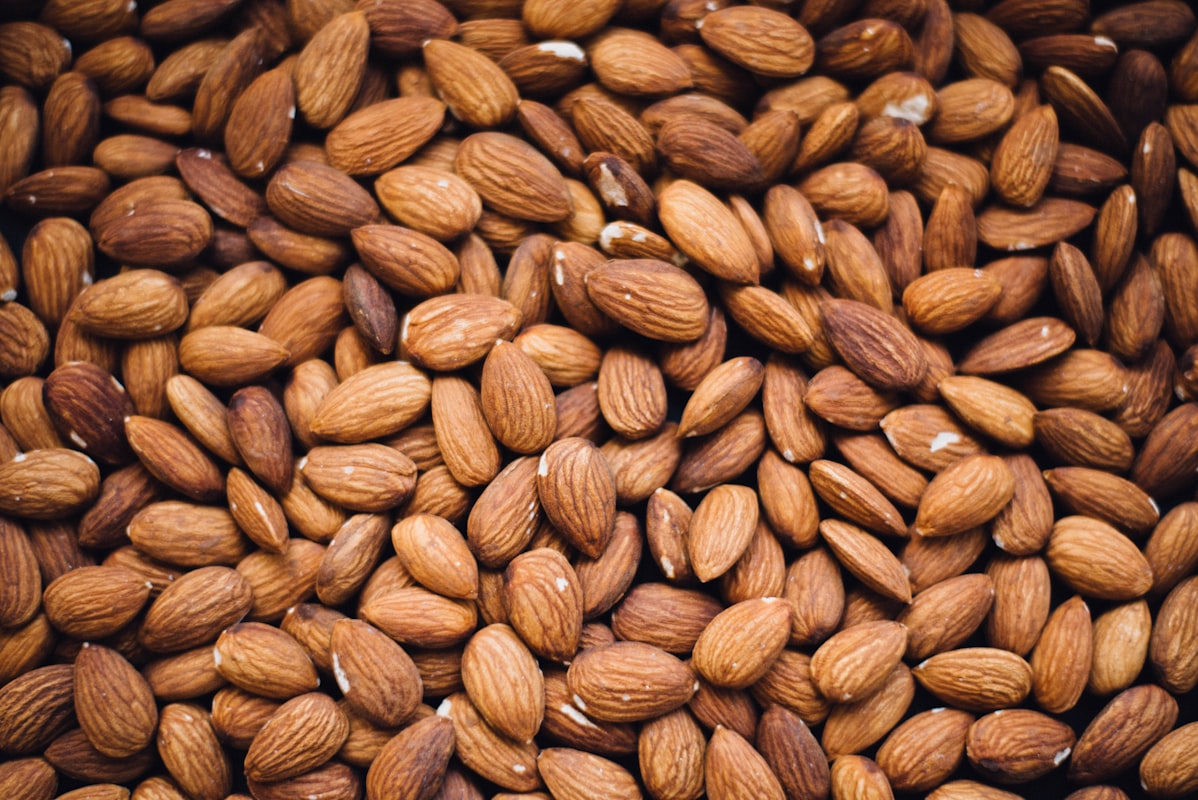
Chamomile Tea
Chamomile has been used for centuries as a natural way to promote relaxation and better sleep. This gentle herbal tea contains compounds that may help calm the nervous system and ease the transition into restful sleep without any harsh side effects.
Learn about chamomile benefits →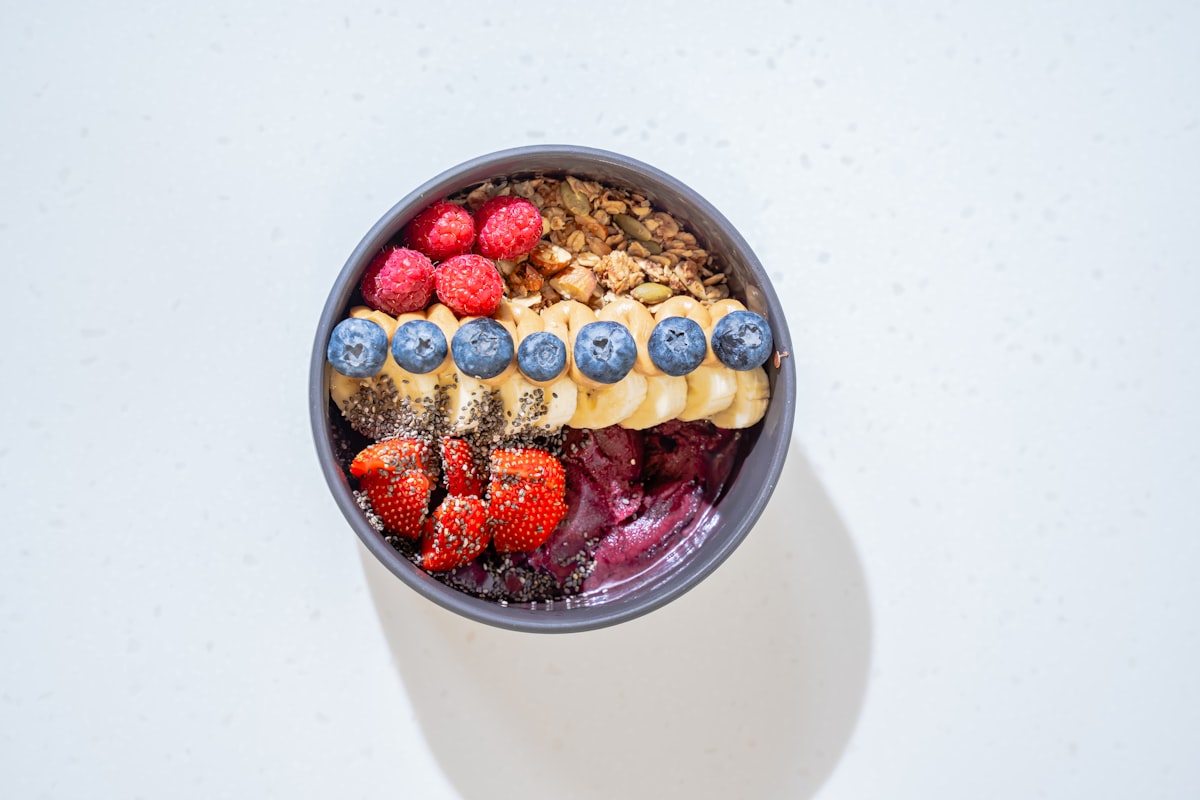
Kiwifruit
Research suggests that eating two kiwis one hour before bedtime may improve sleep onset and duration. Kiwis are rich in serotonin and antioxidants that support the natural processes your body uses to prepare for sleep each night.
Explore kiwi science →
Greek Yogurt
Greek yogurt contains casein protein, which provides a steady release of amino acids throughout the night. Combined with natural carbohydrates from fruit, it creates an ideal evening snack that supports stable sleep patterns and reduces nighttime wakefulness.
Learn about protein for sleep →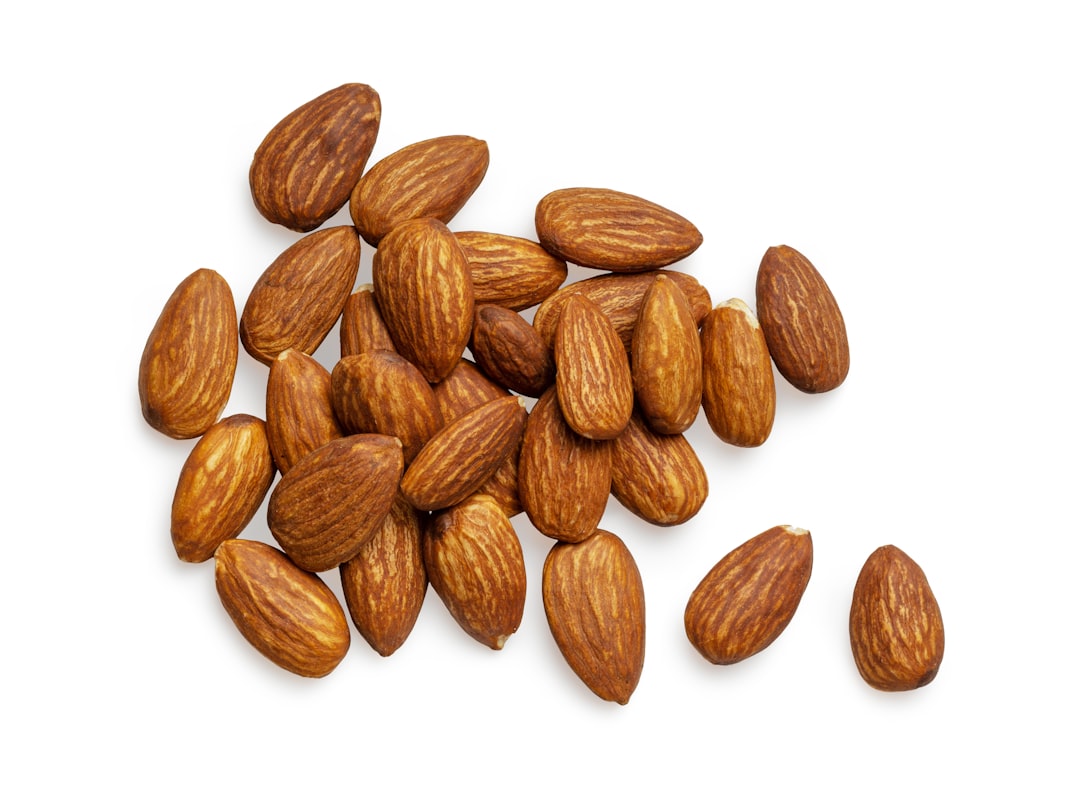
Passionflower Tea
Passionflower has been traditionally used in folk medicine to support relaxation. Modern research indicates it may help reduce racing thoughts and anxious feelings that often interfere with sleep onset, making it a valuable addition to your evening routine.
Discover passionflower research →
Pumpkin Seeds
These nutrient-dense seeds are naturally high in tryptophan, an amino acid that your body converts to serotonin and melatonin. A small portion of pumpkin seeds in your evening meal or as a bedtime snack can support your body's natural sleep mechanisms.
Read about seed nutrition →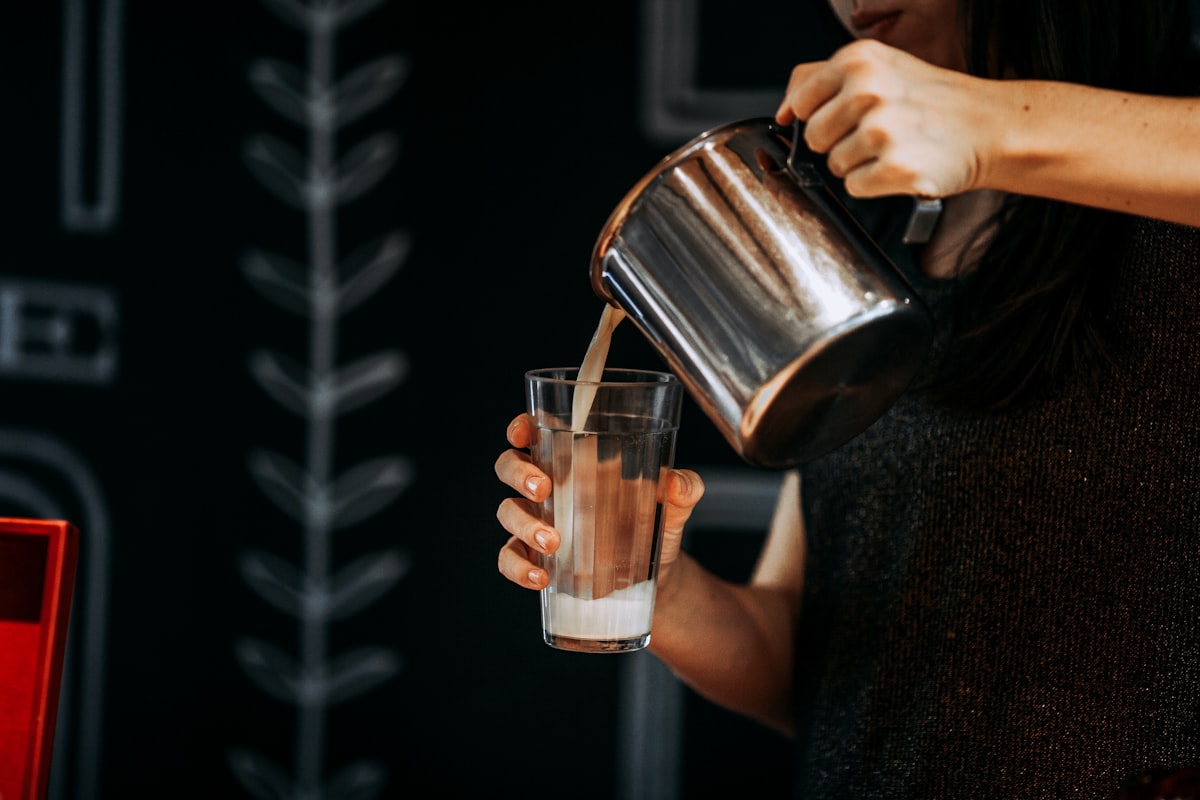
Tart Cherry Juice
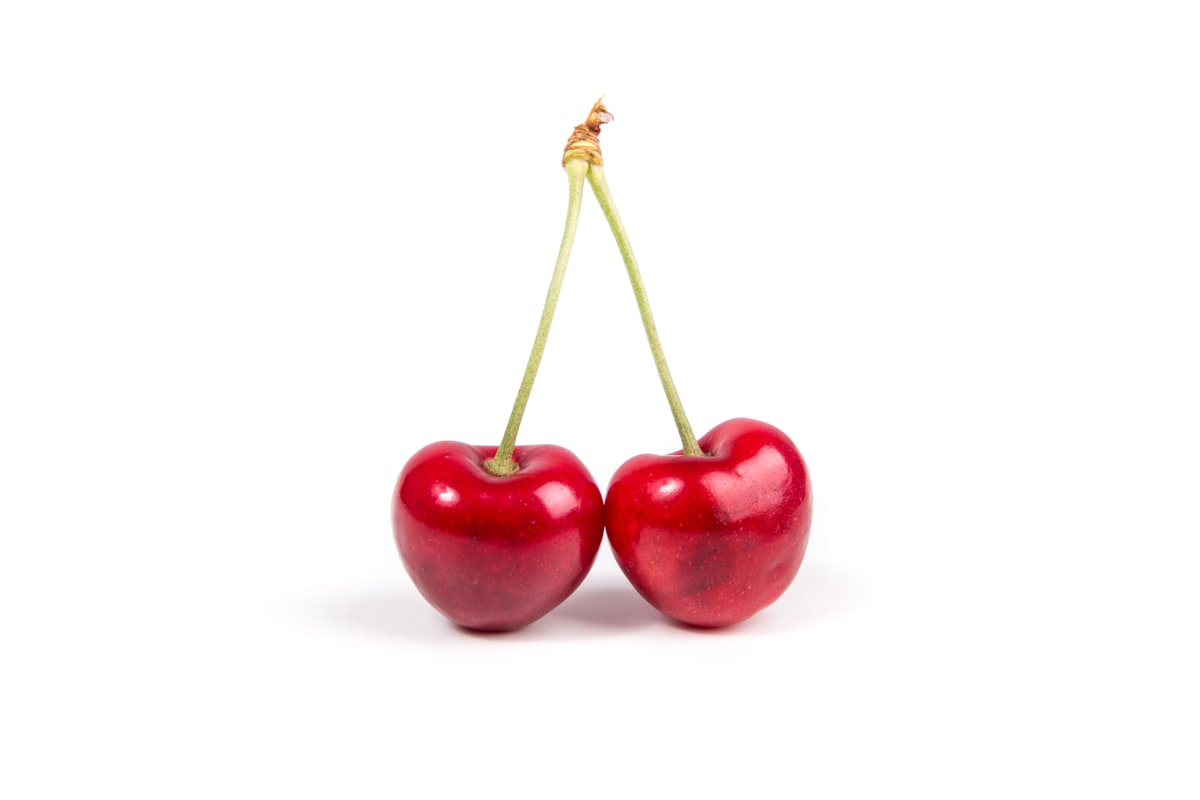
Tart cherries are one of the few natural sources of melatonin, the hormone that regulates sleep-wake cycles. Studies suggest that drinking tart cherry juice can help extend sleep duration and improve overall sleep quality, particularly for those with irregular sleep patterns.
Explore cherry science →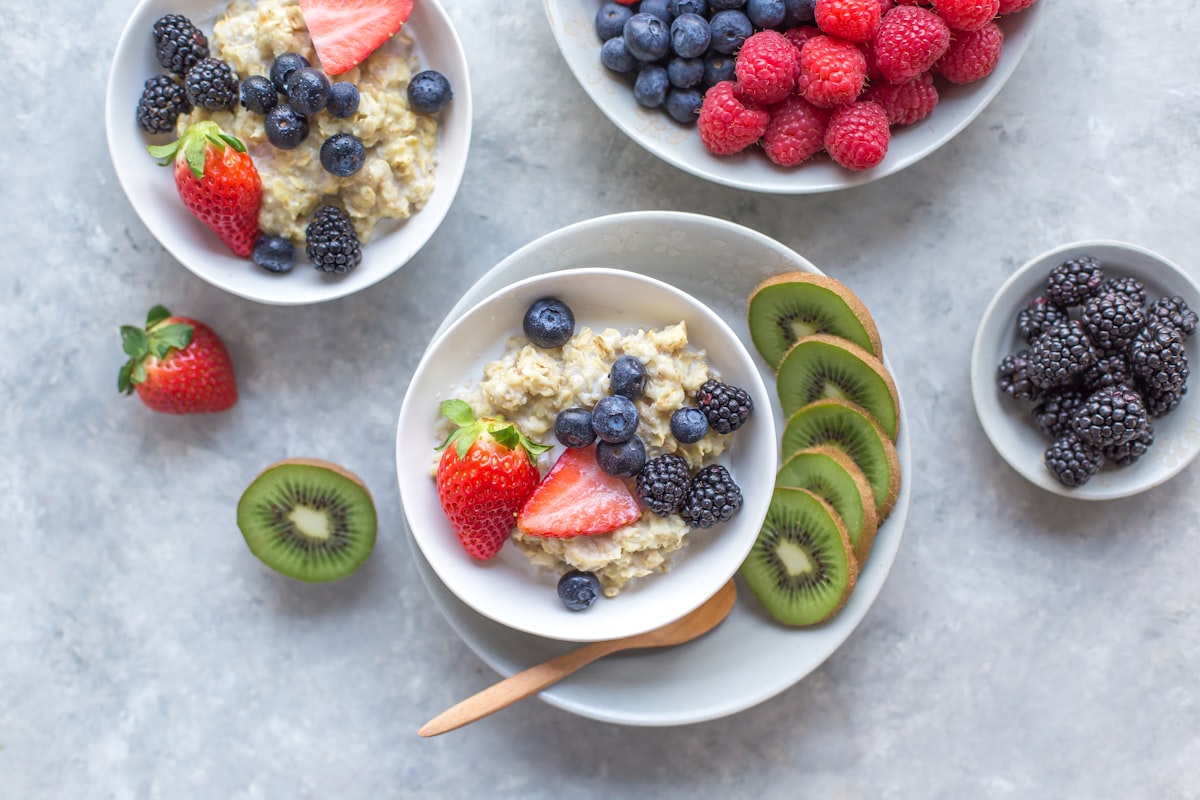
Valerian Root Tea
Valerian root has centuries of traditional use as a sleep aid. Modern research supports its potential to help people fall asleep faster and experience deeper sleep cycles. It works by increasing levels of calming neurotransmitters in the brain.
Learn about herbal remedies →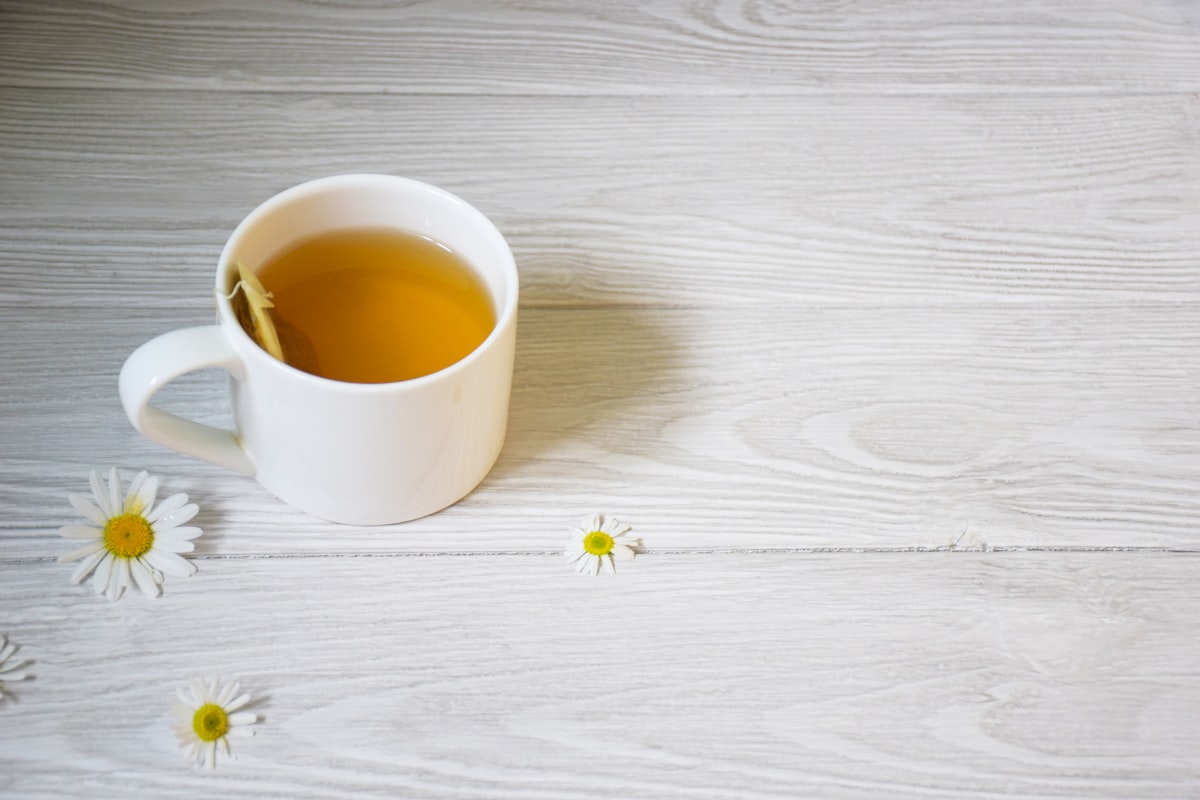
How Food Impacts Your Sleep
The foods you eat directly influence the neurochemicals responsible for sleep regulation. Certain nutrients like tryptophan, magnesium, and melatonin act as building blocks for the compounds your brain needs to transition into deep, restorative sleep.
Our research-backed selections focus on whole foods and natural ingredients that support your body's innate sleep mechanisms. By understanding the science behind these foods, you can make informed choices about your evening nutrition and sleep environment.
- • Magnesium relaxes muscles and calms the nervous system
- • Serotonin precursors help establish consistent sleep patterns
- • Melatonin regulates your circadian rhythm naturally
Common Questions About Sleep Foods
Most sleep-supporting foods are best consumed 30 minutes to 2 hours before bedtime. This timing allows your digestive system to process the nutrients while they begin working to prepare your body for sleep. For herbal teas, sipping them 20-30 minutes before bed is ideal. However, avoid heavy meals close to bedtime, as digestion can interfere with sleep quality.
Need more information?
Browse Full FAQHow Better Sleep Changed Our Community
Real insights from readers who discovered the power of sleep-supporting foods through Emotional Food Flow.
I was skeptical at first, but after reading about kiwis and magnesium, I started making small changes to my evening routine. Within two weeks, I was falling asleep faster and staying asleep through the night. It's been transformative understanding the connection between food and sleep quality.
Emma Richardson
Manchester, United Kingdom
The breakdown of which foods actually support sleep, rather than just general wellness advice, made all the difference. I now start my evenings with purposeful nutrition choices.
James Mitchell
Bristol, United Kingdom
As someone who works shifts, I appreciate how the articles explain which sleep foods work best for changing schedules. It's given me practical tools I actually use every day.
Sophie Chen
Leeds, United Kingdom
The science was explained in such an accessible way. I finally understand why certain foods help me sleep better, and I've introduced several new ones to my routine with great results.
David Thompson
London, United Kingdom
Start Your Sleep Improvement Journey
Explore our comprehensive guides on sleep-supporting foods, sleep science, and practical strategies for better rest. Discover how Emotional Food Flow helps you understand the powerful connection between nutrition and sleep.